“Sacrifice and Life: Finding Meaning Through Self-Giving” (Vayikra)
The book of Vayikra is not only about ancient rites but about an inner call to draw near to the Almighty. Today’s…
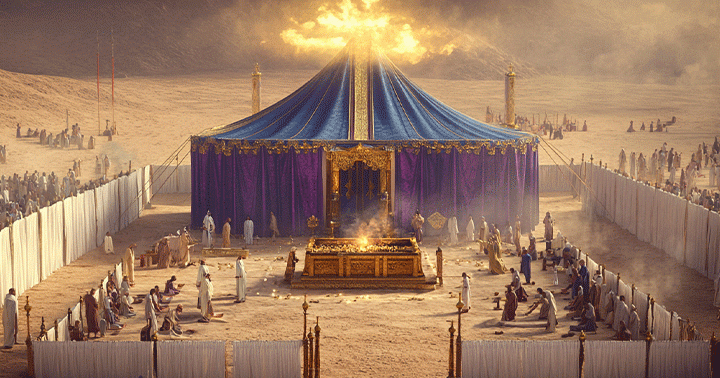
The description of the Mishkan’s courtyard in the portion of Vayakhel reveals that holiness needs boundaries and a gradual approach. Copper and…
The final part of the Giving of the Torah speaks of the gradual conquest of the Land of Israel under the guidance…
Shabbat and the sabbatical year teach that neither time nor land belongs to man but is a gift of the Almighty. The…
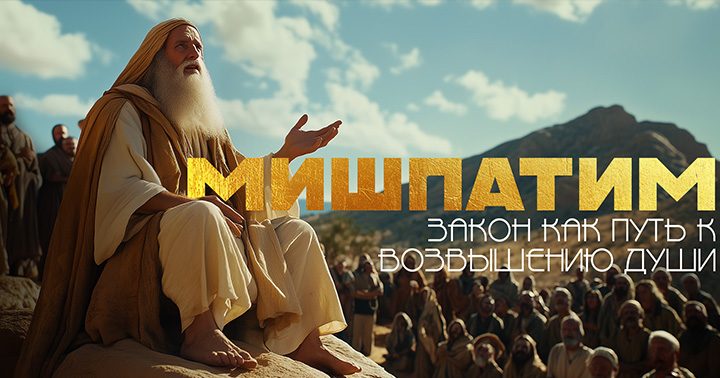
The laws of the portion “Mishpatim” protect the stranger, the widow and the orphan, forbid usury and bribes, and demand just courts…
The laws of the portion “Mishpatim” are not chains but wings that raise a person above the chaos of the material world.…
Judaism knows no division between the secular and the religious: the civil and criminal laws of the Torah are part of the…
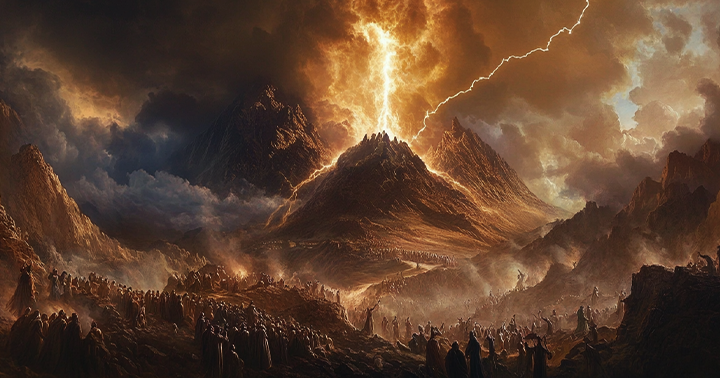
Overwhelmed by the Revelation, the people ask Moses to become a mediator between them and God. The closing verses of the Sinai…
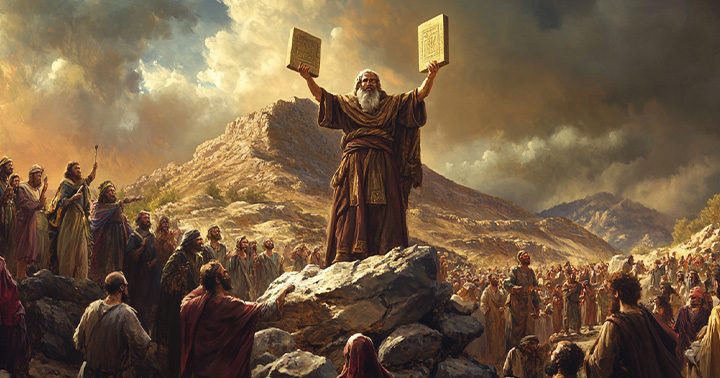
The Ten Commandments are not merely moral prescriptions but the foundation of the Covenant between God and Israel — the “Ten Utterances”…
The Torah was accepted at Sinai under a certain compulsion, and in the time of Mordecai and Esther by free choice. The…
The people agree to fulfil the words of the Almighty but acknowledge only what God Himself has spoken — and so the…
Yitro sees Moses judging the whole people alone and proposes delegating authority: appointing capable and honest judges over thousands, hundreds, fifties and…