Foundations of the Torah’s Legal Principles (Mishpatim)
The laws of the portion “Mishpatim” protect the stranger, the widow and the orphan, forbid usury and bribes, and demand just courts…
Judaism knows no division between the secular and the religious: the civil and criminal laws of the Torah are part of the…
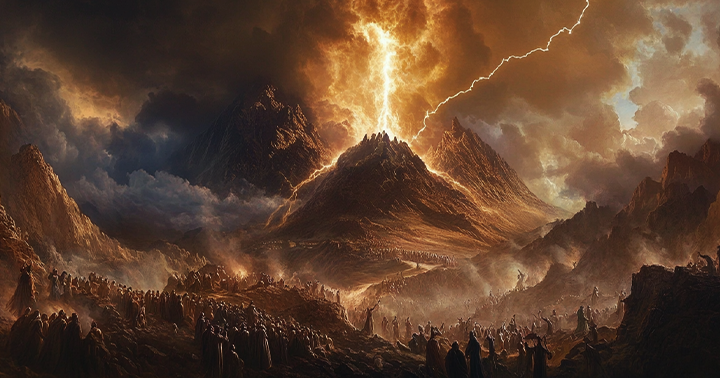
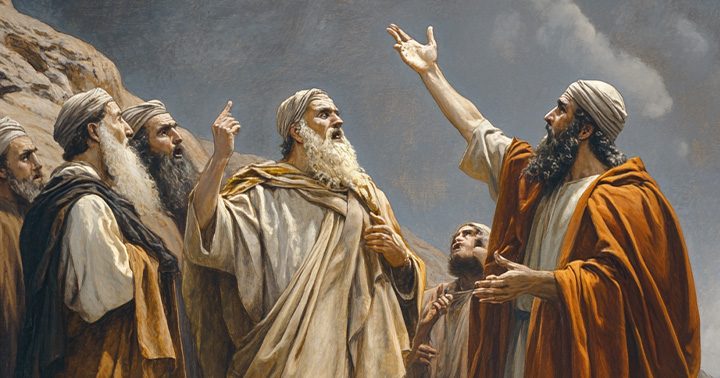
Overwhelmed by the Revelation, the people ask Moses to become a mediator between them and God. The closing verses of the Sinai…
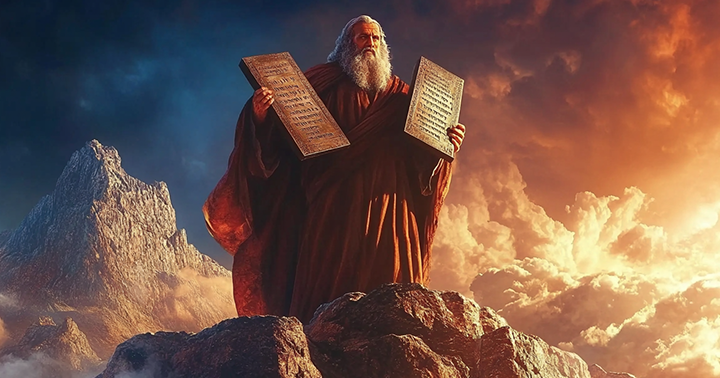
The Ten Commandments are not merely moral prescriptions but the foundation of the Covenant between God and Israel — the “Ten Utterances”…
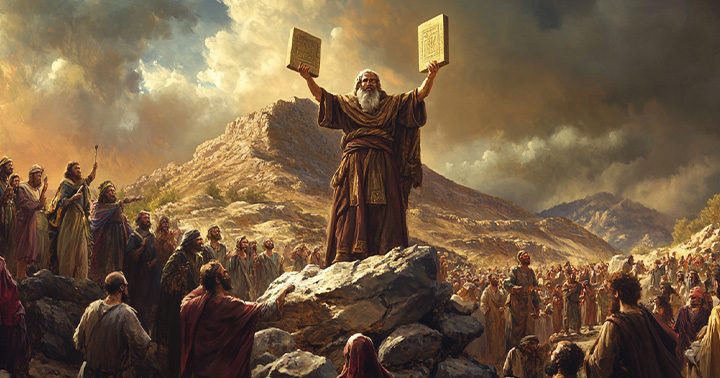
The people agree to fulfil the words of the Almighty but acknowledge only what God Himself has spoken — and so the…
Yitro sees Moses judging the whole people alone and proposes delegating authority: appointing capable and honest judges over thousands, hundreds, fifties and…
The portion of the Giving of the Torah bears the name of a non-Jew, Yitro, because the Torah could not be given…
In the wilderness of Sin the people complain of hunger, and the Almighty gives them bread from heaven — manna — and…
After crossing the Sea of Reeds the people face the bitter waters of Marah, a shortage of food and the need for…
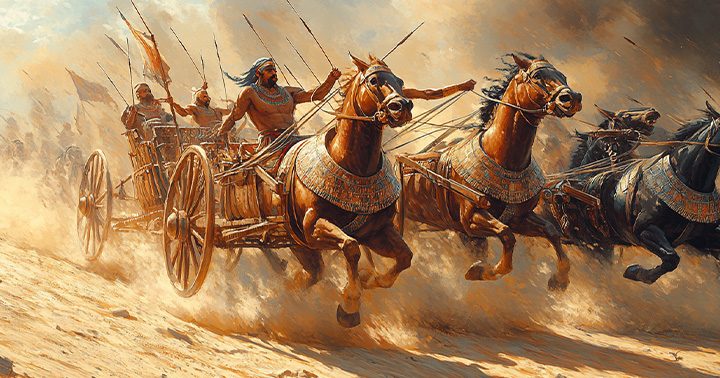
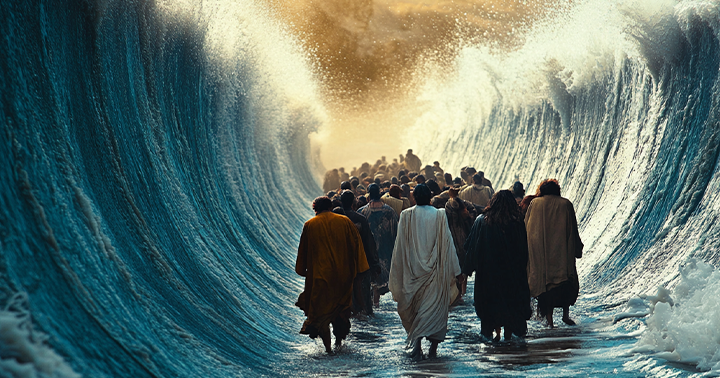
The crossing of the sea is not only a physical liberation but a spiritual turning point: the angel and the pillars of…
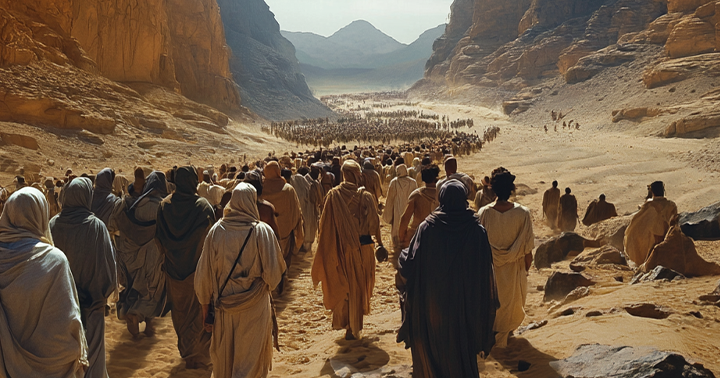
The Exodus from Egypt is a path from enslavement to freedom and from external compulsion to inner responsibility. The road through the…
God led Israel not by the short road through the land of the Philistines but through the wilderness, since the people, freed…