A Lesson on the Weekly Portion “Tzav”: the Flame That Does Not Go Out
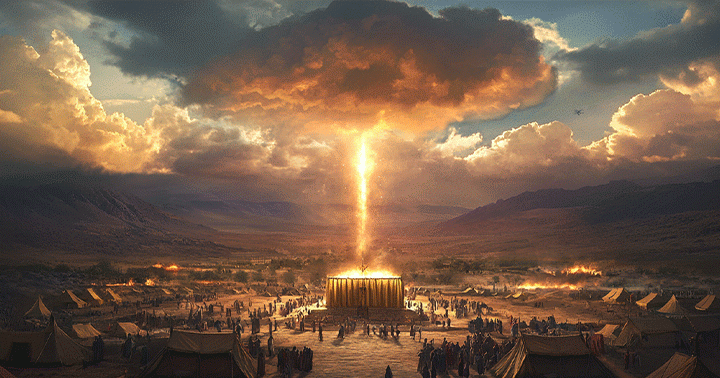
Behind the technical details of the offerings, the portion of Tzav reveals the principles of constancy, devotion and inner holiness. The fire…
The portion of Pekudei opens with a detailed account of the donations for the Mishkan. Moses, trusted in all of God’s house,…
The portion of Pekudei sums up the building of the Mishkan spiritually: Moses’ accounting teaches transparency, Moses and Aaron embody inspiration and…
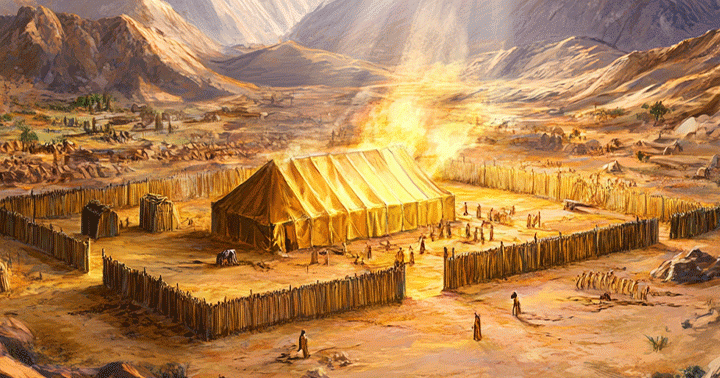
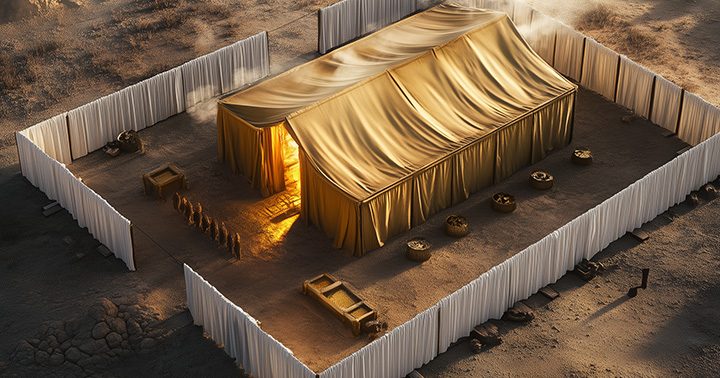
The description of the Mishkan’s courtyard in the portion of Vayakhel reveals that holiness needs boundaries and a gradual approach. Copper and…
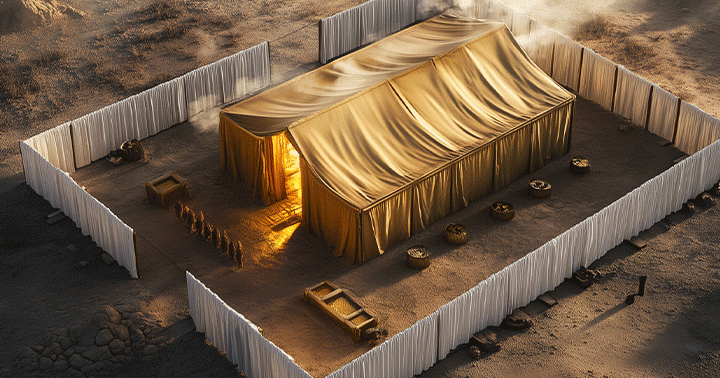
The detailed description of the Tabernacle in the last chapters of Exodus is a blueprint for building the human soul. The boards…
The portions of Vayakhel and Pekudei show how the heavenly plan of the Tabernacle is realised by human hands after the sin…
The gold and precious stones of the Sanctuary are needed not by God but by man — to lift up his spirit.…
The shift from “terumah” to “tetzaveh” reflects the difference between Moses’ trust in man and Aaron’s understanding of his weaknesses. Aaron’s main…
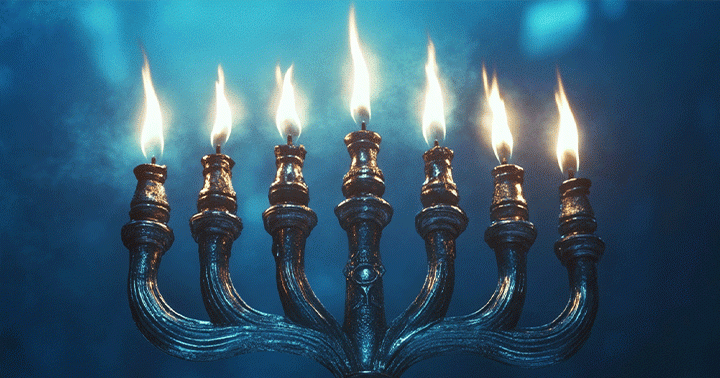
The Table with the showbread embodies the material side of Divine service, and the Menorah the light of wisdom illuminating material blessings.…
The portion “Terumah” teaches us not to flee the material world but to sanctify it: the wooden Ark overlaid with gold inside…
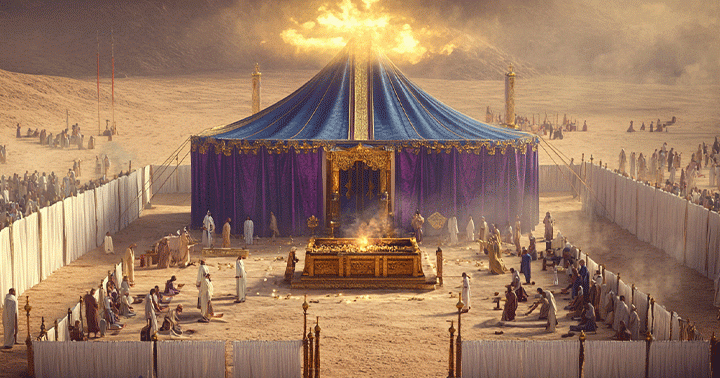
The Tabernacle is “Mount Sinai in miniature”, preserving the experience of Revelation: the Altar, the Menorah, the Table and the Holy of…