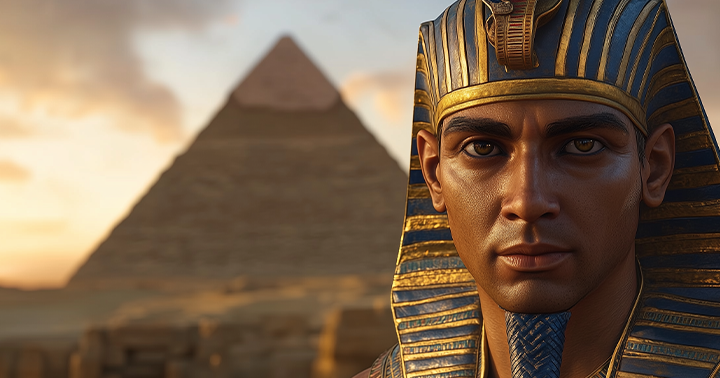
The Choice of Moses: the Path to Self-Identification and Disappointment (Shemot)
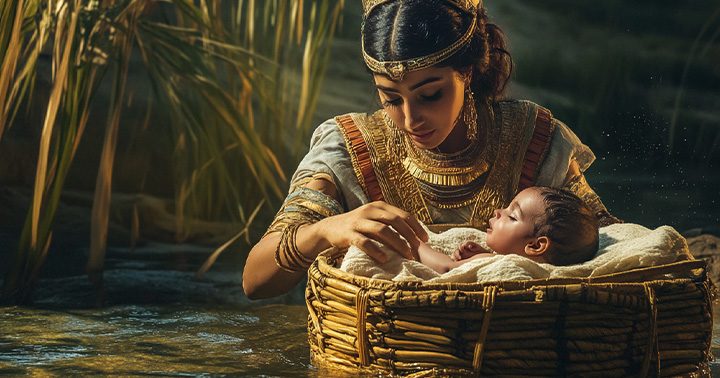
Raised in Pharaoh’s palace, Moses chooses his people: he stands up for a Hebrew who is being beaten and kills the Egyptian…
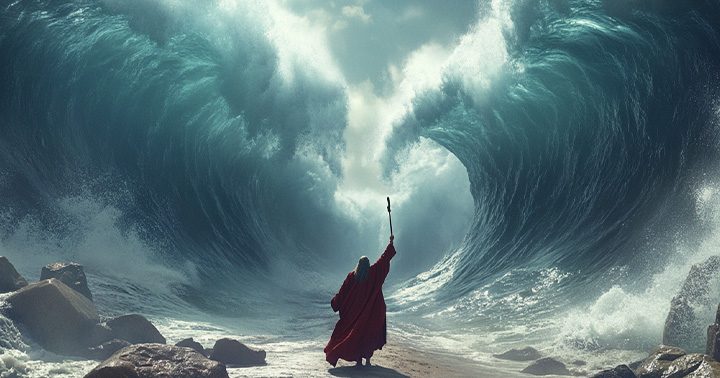
Moses, a Jew by origin and an Egyptian by upbringing, becomes a symbol of the transition from slavery to freedom. The article…
The portion of Shemot shows how the family of Jacob becomes a people that keeps its names even in slavery. Moses, formed…
Egypt mourns Jacob for seventy days, yet his true legacy is bound up with his descendants and the land of Canaan. Joseph…
The blessings of Asher, Naphtali, Joseph and Benjamin show that each tribe has its own gift — abundance, inspiration, talent or the…
Zebulun is open to the outside world, Issachar devoted to learning, Dan a lone warrior, Gad a disciplined soldier. Each tribe has…
Reuben loses the advantages of the firstborn through impulsiveness, the strength and anger of Simeon and Levi require control, and Judah, able…
Jacob’s blessings are not merely parting words but a strategic distribution of roles among the tribes for their life together in the…
Before his death Jacob makes Joseph swear to bury him in the Cave of Machpelah and raises Ephraim and Manasseh to the…
During the famine Joseph concentrates money, livestock and land in Pharaoh’s hands, abolishes private property and resettles the Egyptians. The reforms save…
Jacob sends Judah ahead “to show the way” to Goshen — according to the midrash, to prepare the spiritual life of the…
The two names of the forefather — Jacob and Israel — reflect two states of the people: the “smallness” of exile, in…