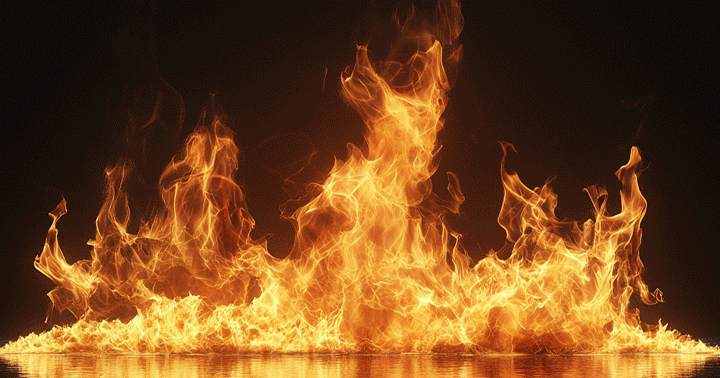
A Lesson on the Weekly Portion “Tzav”: the Flame That Does Not Go Out
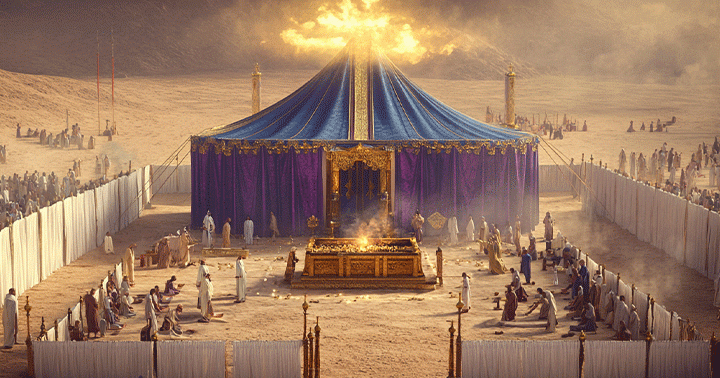
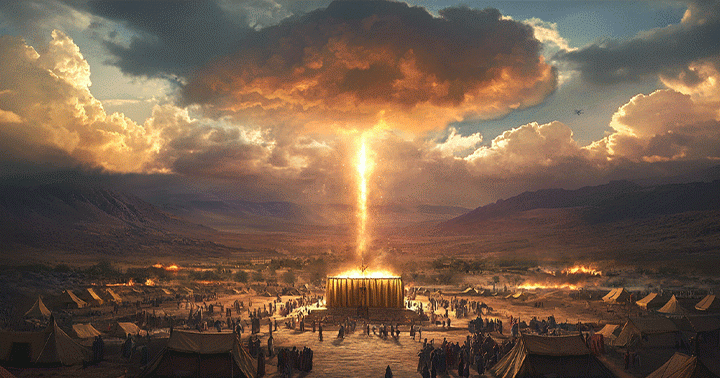
Behind the technical details of the offerings, the portion of Tzav reveals the principles of constancy, devotion and inner holiness. The fire…
The book of Vayikra is not only about ancient rites but about an inner call to draw near to the Almighty. Today’s…
The portion of Pekudei opens with a detailed account of the donations for the Mishkan. Moses, trusted in all of God’s house,…
The portion of Pekudei closes the book of Shemot with an account of every shekel, and in that quiet lies depth: holiness…
The portion of Pekudei sums up the building of the Mishkan spiritually: Moses’ accounting teaches transparency, Moses and Aaron embody inspiration and…
The portion of Vayakhel gathers the people after the sin of the Golden Calf to build the Mishkan together, while Parashat Parah…
Bezalel, filled with the “spirit of God,” with wisdom, understanding and knowledge, leads the building of the Tabernacle together with all the…
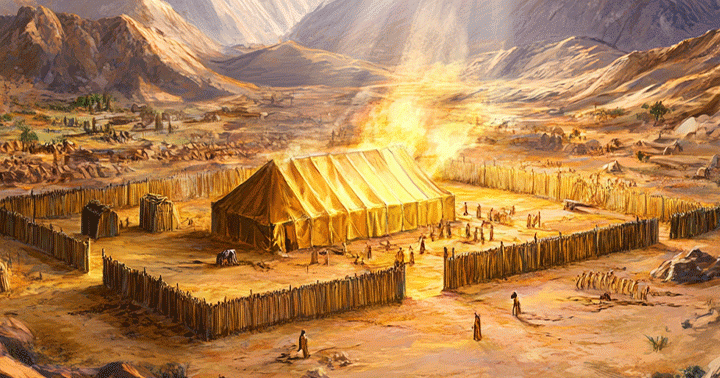
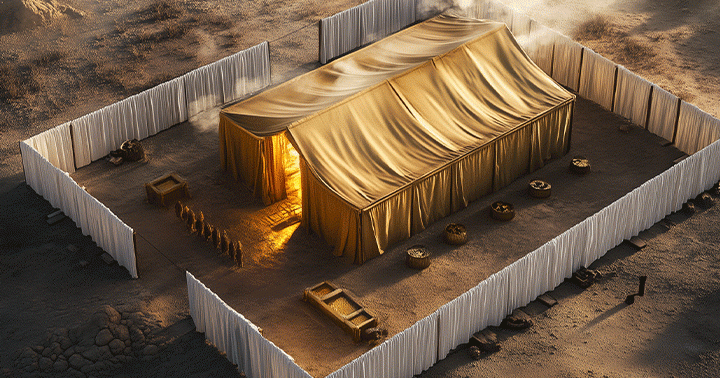
The description of the Mishkan’s courtyard in the portion of Vayakhel reveals that holiness needs boundaries and a gradual approach. Copper and…
The portion of Vayakhel shows that a person can create a place for the Divine in this world. The incense altar symbolises…
The detailed description of the Tabernacle in the last chapters of Exodus is a blueprint for building the human soul. The boards…
The portions of Vayakhel and Pekudei show how the heavenly plan of the Tabernacle is realised by human hands after the sin…
After the sin of the Golden Calf the people remove their ornaments in repentance, Moses pitches his tent outside the camp and…