Light Through the Breach (Ki Tisa)
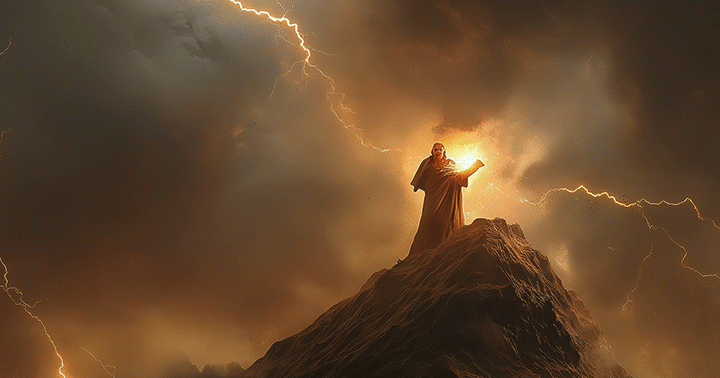
Moses’ second prayer for the people after the sin of the Golden Calf shows that the Torah exists for the sake of…
After the sin of the Golden Calf, Moses pleads for the people by asking, “Why should the Egyptians say…?” This argument is…
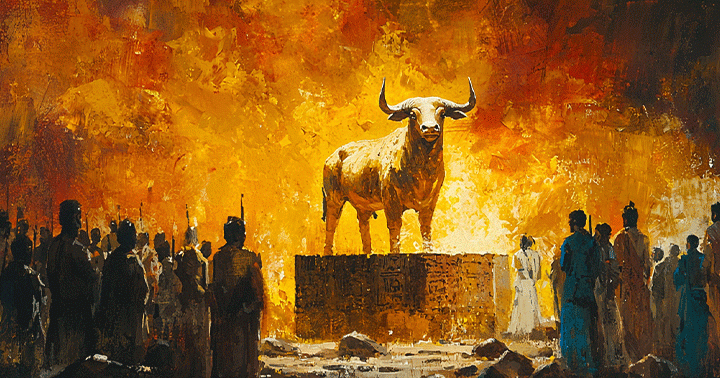
The Golden Calf was not a symbol of worshipping wealth but a “national idolatry” grown from within Jewish culture itself: the deification…
The portion of Ki Tisa is a portion of crisis that breaks out of the paired structure of the weekly readings. The…
The portions of Terumah and Tetzaveh set two approaches side by side: voluntary gifts for the grand and visible building of the…
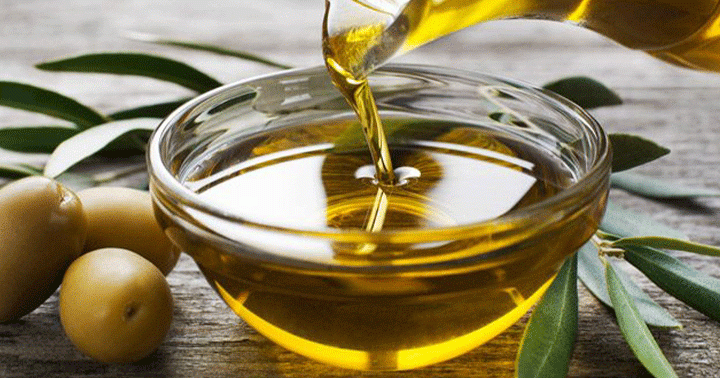
The rite consecrating Aaron and his sons — anointing with oil, washing, the sacred garments and the offerings — makes the priest…
The gold and precious stones of the Sanctuary are needed not by God but by man — to lift up his spirit.…
The priestly garments are directed not at God but at the people: they awaken reverence and a desire for repair. The four…
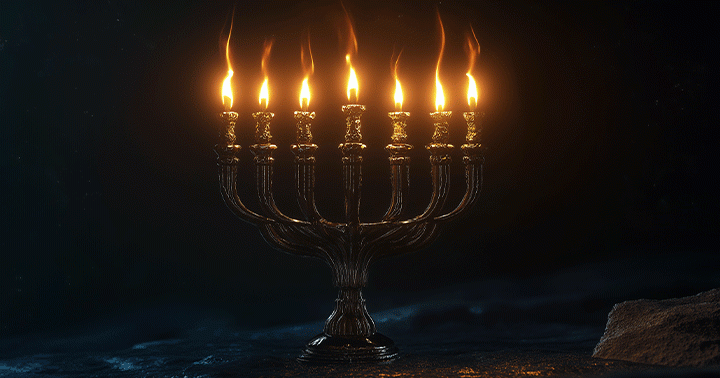
The commandment to kindle the Menorah matters more than the Menorah’s mere existence: the essence of the service lies in constant spiritual…
The shift from “terumah” to “tetzaveh” reflects the difference between Moses’ trust in man and Aaron’s understanding of his weaknesses. Aaron’s main…
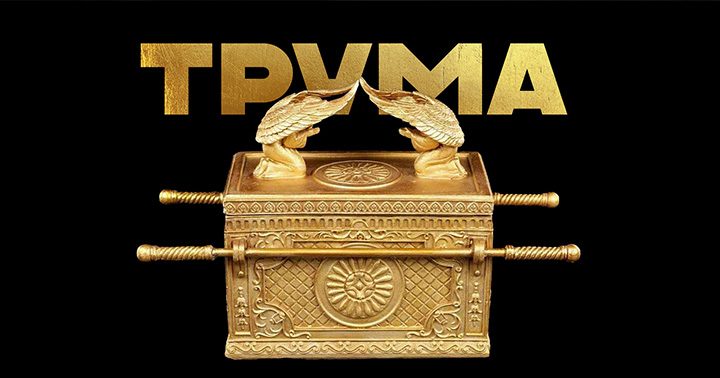
The Sanctuary is built on the principle of “terumah”, a voluntary offering, and is described from the inside out: at its centre…
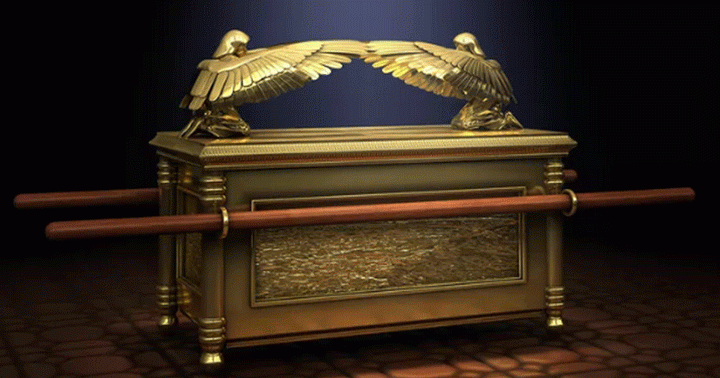
The portion “Terumah” teaches us not to flee the material world but to sanctify it: the wooden Ark overlaid with gold inside…