Moses and Aaron: Two Paths of Revelation (Terumah)
Moses and Aaron embody two approaches to religion — Revelation and Atonement. The synagogue reflects the Sanctuary in its Mosaic aspect, the…
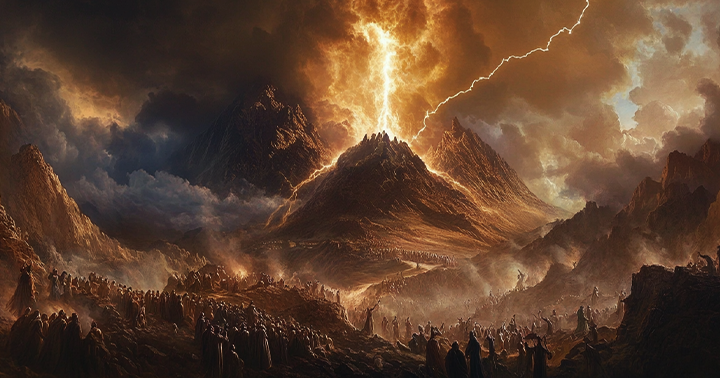
The Tabernacle is “Mount Sinai in miniature”, preserving the experience of Revelation: the Altar, the Menorah, the Table and the Holy of…
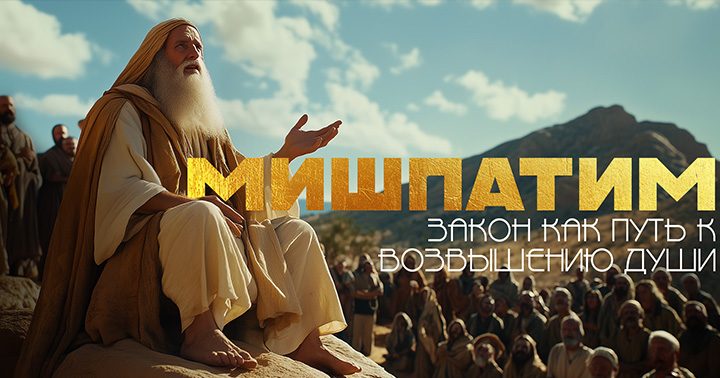
The portion “Mishpatim” begins its legislation not with murder but with slavery, for enslavement breaks a person’s will and soul. Only a…
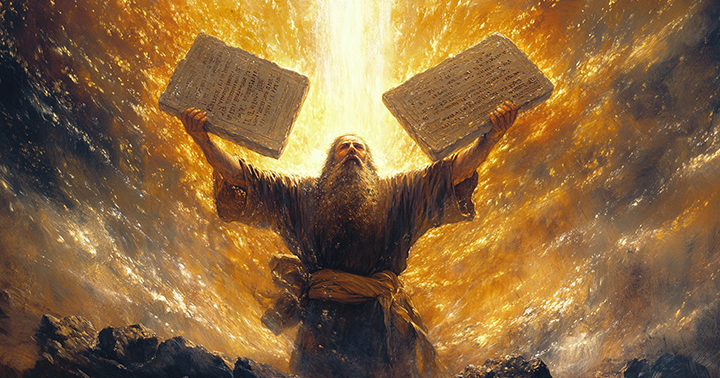
The Giving of the Torah unites Revelation, Legislation, Covenant and Sanctuary, and all these elements were intended from the outset rather than…
The final part of the Giving of the Torah speaks of the gradual conquest of the Land of Israel under the guidance…
Shabbat and the sabbatical year teach that neither time nor land belongs to man but is a gift of the Almighty. The…
The laws of the portion “Mishpatim” protect the stranger, the widow and the orphan, forbid usury and bribes, and demand just courts…
The laws of the portion “Mishpatim” are not chains but wings that raise a person above the chaos of the material world.…
Judaism knows no division between the secular and the religious: the civil and criminal laws of the Torah are part of the…
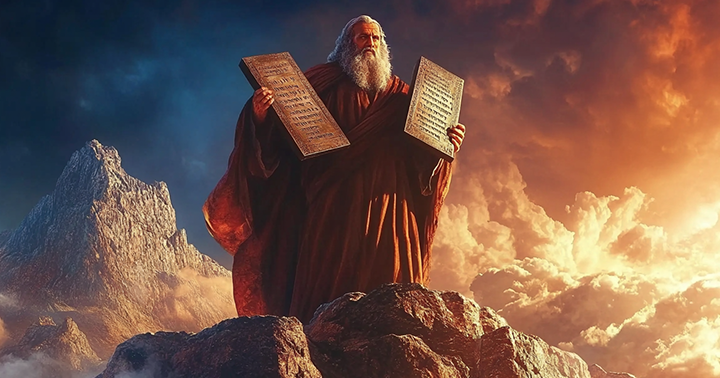
Overwhelmed by the Revelation, the people ask Moses to become a mediator between them and God. The closing verses of the Sinai…
The Ten Commandments are not merely moral prescriptions but the foundation of the Covenant between God and Israel — the “Ten Utterances”…
The Torah was accepted at Sinai under a certain compulsion, and in the time of Mordecai and Esther by free choice. The…