Ashes of Silence: Holiness Born of Paradox (Vayakhel)
The portion of Vayakhel gathers the people after the sin of the Golden Calf to build the Mishkan together, while Parashat Parah…
Bezalel, filled with the “spirit of God,” with wisdom, understanding and knowledge, leads the building of the Tabernacle together with all the…
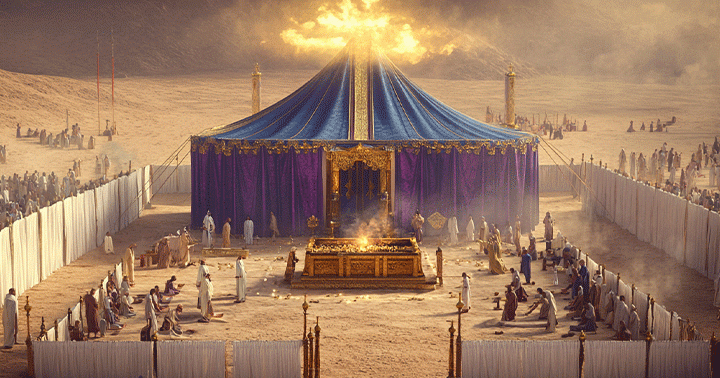
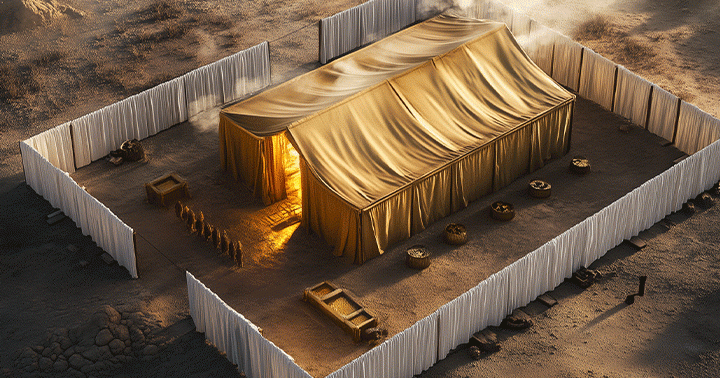
The description of the Mishkan’s courtyard in the portion of Vayakhel reveals that holiness needs boundaries and a gradual approach. Copper and…
The portion of Vayakhel shows that a person can create a place for the Divine in this world. The incense altar symbolises…
The detailed description of the Tabernacle in the last chapters of Exodus is a blueprint for building the human soul. The boards…
The portions of Vayakhel and Pekudei show how the heavenly plan of the Tabernacle is realised by human hands after the sin…
After the sin of the Golden Calf the people remove their ornaments in repentance, Moses pitches his tent outside the camp and…
Moses’ second prayer for the people after the sin of the Golden Calf shows that the Torah exists for the sake of…
After the sin of the Golden Calf, Moses pleads for the people by asking, “Why should the Egyptians say…?” This argument is…
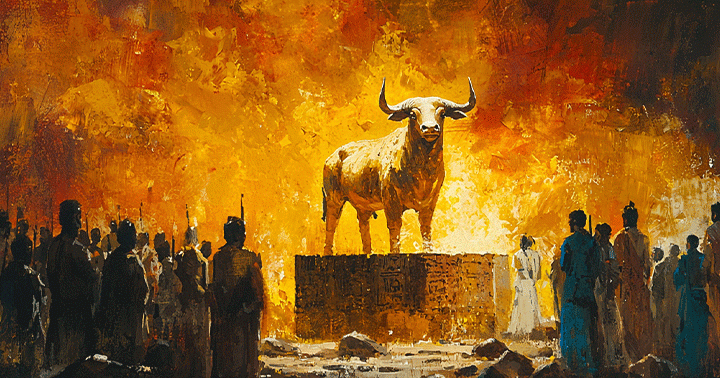
The Golden Calf was not a symbol of worshipping wealth but a “national idolatry” grown from within Jewish culture itself: the deification…
The portions of Terumah and Tetzaveh set two approaches side by side: voluntary gifts for the grand and visible building of the…
The rite consecrating Aaron and his sons — anointing with oil, washing, the sacred garments and the offerings — makes the priest…