The Splendour of the Sanctuary’s Furnishings and the Priestly Garments (Tetzaveh)
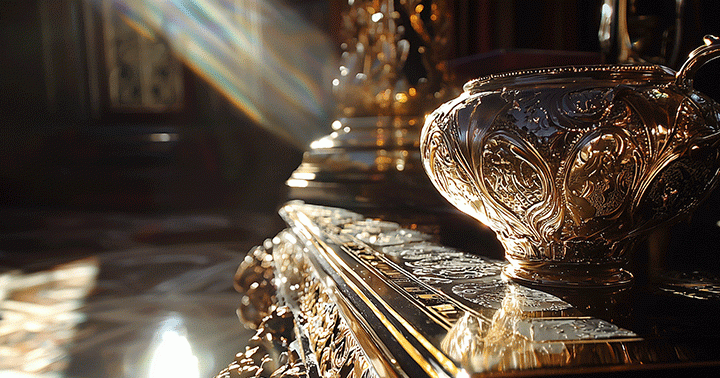
The gold and precious stones of the Sanctuary are needed not by God but by man — to lift up his spirit.…
The priestly garments are directed not at God but at the people: they awaken reverence and a desire for repair. The four…
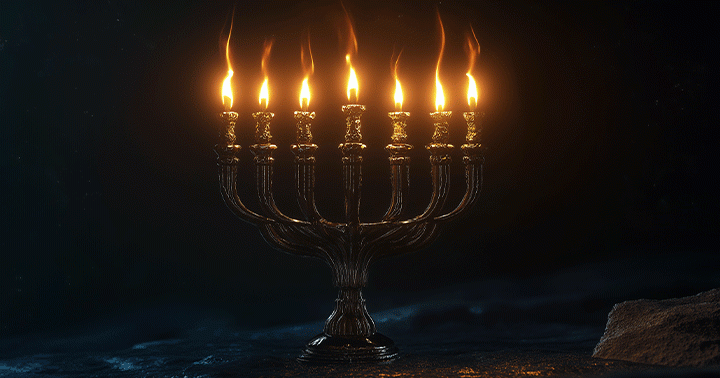
The commandment to kindle the Menorah matters more than the Menorah’s mere existence: the essence of the service lies in constant spiritual…
The shift from “terumah” to “tetzaveh” reflects the difference between Moses’ trust in man and Aaron’s understanding of his weaknesses. Aaron’s main…
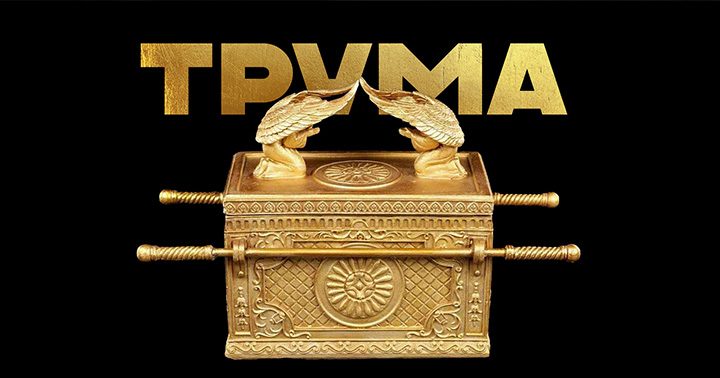
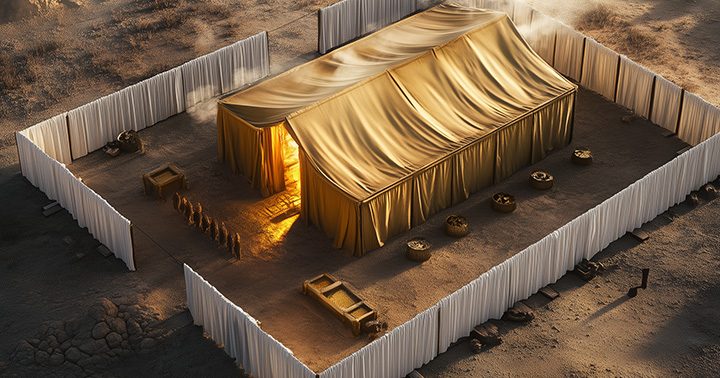
The Sanctuary is built on the principle of “terumah”, a voluntary offering, and is described from the inside out: at its centre…
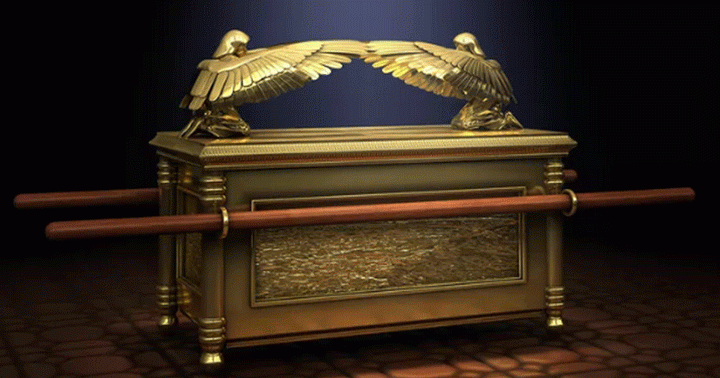
The portion “Terumah” teaches us not to flee the material world but to sanctify it: the wooden Ark overlaid with gold inside…
Moses and Aaron embody two approaches to religion — Revelation and Atonement. The synagogue reflects the Sanctuary in its Mosaic aspect, the…
The Tabernacle is “Mount Sinai in miniature”, preserving the experience of Revelation: the Altar, the Menorah, the Table and the Holy of…
The portion “Mishpatim” begins its legislation not with murder but with slavery, for enslavement breaks a person’s will and soul. Only a…
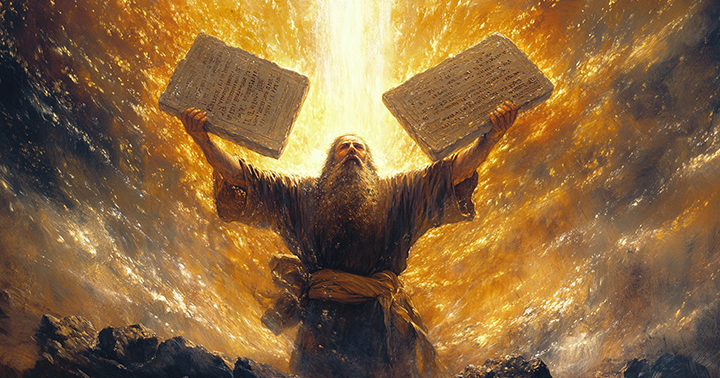
The Giving of the Torah unites Revelation, Legislation, Covenant and Sanctuary, and all these elements were intended from the outset rather than…
The final part of the Giving of the Torah speaks of the gradual conquest of the Land of Israel under the guidance…
Shabbat and the sabbatical year teach that neither time nor land belongs to man but is a gift of the Almighty. The…