Egypt as a Stage
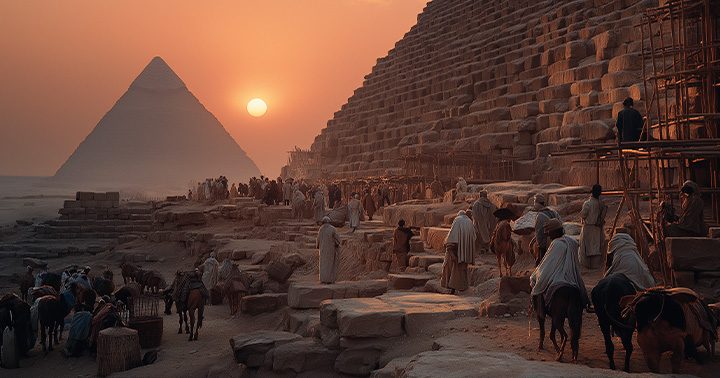
The Torah describes the Egyptian bondage not as revenge but as a built-in stage in the formation of a people: what is…
The Torah describes the Egyptian bondage not as revenge but as a built-in stage in the formation of a people: what is…
Why do the Chanukah candles increase each day rather than decrease? The tradition does not deny decline, but refuses to let it…
An all-powerful God needs no intermediaries — so why angels? They are needed not by God but by man: they are functional…
A blessing in the Torah is not a beautiful formula but drawing another person into a space where he can receive more…
The Written Torah does not explain the obvious: how to read an unvocalized text and how to perform the commandments was handed…
The commandment “love your neighbor as yourself” is not about strong feelings but about a way of relating: widening the boundaries of…
Why did Moses have to make an image of a serpent, of all things, to heal those bitten by snakes in the…
Obstacles come in two kinds: corrective ones, which show that a direction is wrong, and resistance, which tests the strength of one’s…
Justice and mercy do not contradict each other but complement each other: King David judged according to the law and then paid…
If you ask yourself why you still have not changed, you have not given up. Everyone makes mistakes; a human being is…
Humility before the Almighty is neither yielding to circumstances nor fear of the powerful, but inner agreement that the world was not…
The pain of imperfection is a sign of growth. The Almighty values not flawlessness but an honest striving to improve. A healthy…